
Japan · Otaku
Akihabara calling.
Arcades, conventions and the seichi junrei sites anime fans actually travel for.
Get started
Open the free guide first — every guide from €8 a month.
Level 1
The place
True whatever kind of trip you're taking. Read it once and it covers every plan in Japan.
Visa & entry
No visa for stays under 90 days on most passports, including EU, UK and US. You'll fill in the Visit Japan Web form before you fly — do it at home, the airport queue for people who didn't is the slow one. Passport valid for the whole stay; no onward-ticket check in practice, though the airline may ask.
Money & what things cost
Japanese yen. Cards are accepted almost everywhere in the cities now, but keep cash: small izakayas, shrines, lockers and some arcades are still cash only. 7-Eleven ATMs take foreign cards and are open all night.
- Coffee€3
- Bowl of ramen€6–9
- Capsule hotel€25–40
- Business hotel€60–90
- Day on the metro€6
Getting around
Trains, always. Get a Suica or Pasmo card on your phone the day you land and stop thinking about tickets. The JR Pass only pays for itself if you're crossing the country twice or more — for a Tokyo-centred otaku trip it usually doesn't. Taxis are excellent and expensive; the last train is around midnight and everyone means it.
Culture & etiquette
Quiet on trains, no phone calls. Don't eat while walking. Shoes off where there's a step up and a rack. Tipping isn't a thing and trying will confuse people. In maid cafés and some shops, photos are restricted — the signs are there for a reason and staff will ask you to stop.
Common mistakes & scams
Japan is close to scam-free, but a few things catch people out. Touts in Kabukicho leading you to bars with a bill at the end that isn't the one you agreed — walk past. Buying a JR Pass you won't use. Booking Shibuya because it's famous and commuting 40 minutes to everything you actually came for. And planning Akihabara for a Monday, when several of the big stores shut.
What to pack
Shoes you can walk 20,000 steps in and take off twenty times a day. A day bag with room to grow — you will buy things. Coin purse, because the coins pile up fast. Spring and autumn want layers; a compact umbrella earns its place in June.
Level 2
The plan
The same country, rewritten for this trip. Not the destination page with a filter on top.
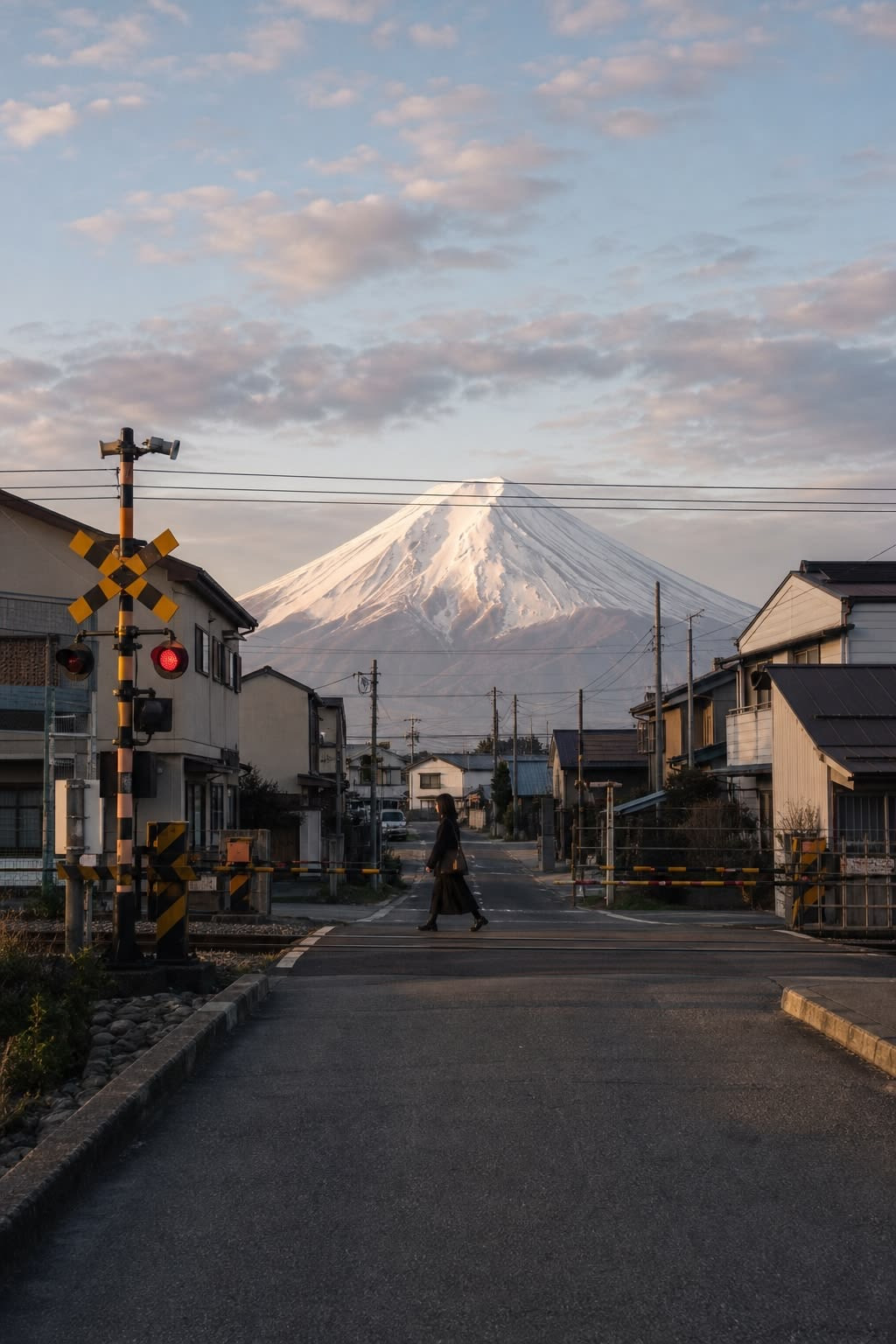
This is the trip where the detour is the point. You'll spend more time in six floors of one building than most people spend in a whole neighbourhood, and you'll take a train an hour out of the city to stand on a perfectly ordinary level crossing because of what was drawn there. We've kept the famous stops and cut the ones that are only famous.
Where to go
Akihabara across a full day rather than an afternoon — the big multi-floor stores reward going up to the top and working down. Nakano Broadway for the second-hand floors, which is where the finds actually are. Ikebukuro's Otome Road if that's your corner of it. One convention if your dates land near one, and one seichi junrei pilgrimage out of the city.
Where to sleep
Stay east — Ueno, Asakusa or Akihabara itself. You'll be fifteen minutes from everything on this plan instead of forty, and the same money buys a bigger room than in Shibuya. Hand-picked stays sit inside this block for Pro members, matched to this plan rather than to a star rating.
Curated stays are part of Good Anywhere Pro.
What it costs
- Lean day€70
- Comfortable day€95–120
- With a convention ticket+€40
- Shopping budgetyou decide, honestly
Different from the culture plan in the same country: you'll spend less on entry fees and considerably more in shops.
The map
Every place in this plan is already dropped on a Google map you open on your phone — stores, the floors worth going to inside them, food near each stop, and a separate layer for the spots worth photographing.
Honest note: the Akihabara crossing shot everyone posts is best before 9am. By afternoon you're photographing other people's phones.
Tips for this plan specifically
Go on a weekday if you can — Akihabara on a Sunday is a different sport. Carry a second bag folded in your day bag. Cash for the second-hand floors. And check the convention calendar before you fix your dates, because it can be worth moving the trip by a week.
Level 3
The days
Not this plan stretched or squeezed — rebuilt for the time you actually have.
-
Day 01

Get your transport card, drop the bag, and walk Ueno in the late afternoon. Early dinner, early night. Jet lag wins today; you take tomorrow.
-
Day 02
The full day. Start at opening while the big stores are quiet, work downward through each building, break for food rather than pushing through. Arcades after dark.
-
Day 03

The second-hand floors, slowly. This is the day you find the thing you didn't know existed. Afternoon in Shinjuku to come back up for air.
-
Day 04

The pilgrimage day. An hour on the train each way to a place that means nothing to anyone else, which is exactly why you're going.
-
Day 05

Otome Road, the smaller specialist shops, and a café that isn't a themed one. A gentler day on purpose — day six is long.
-
Day 06

If your dates land on one, this is it, all day. If not, the animation museums and studio stops fill it properly.
-
Day 07

Back to the one place you want to see again, with the list of things you decided to think about. Then pack, because you bought more than you planned.
Same country, different trip
Each one written from scratch, not filtered from this page.
This is one plan, in one country.
Every guide is built the same way, so once you've read one you know your way around all of them.